"Integrating Digital and Real Economies, Forging Ahead with Innovation" | Empowering Shandong's Intelligent Manufacturing through Digital-Real Integration, Cultivating Innovative Scenarios with Architectural Science Education
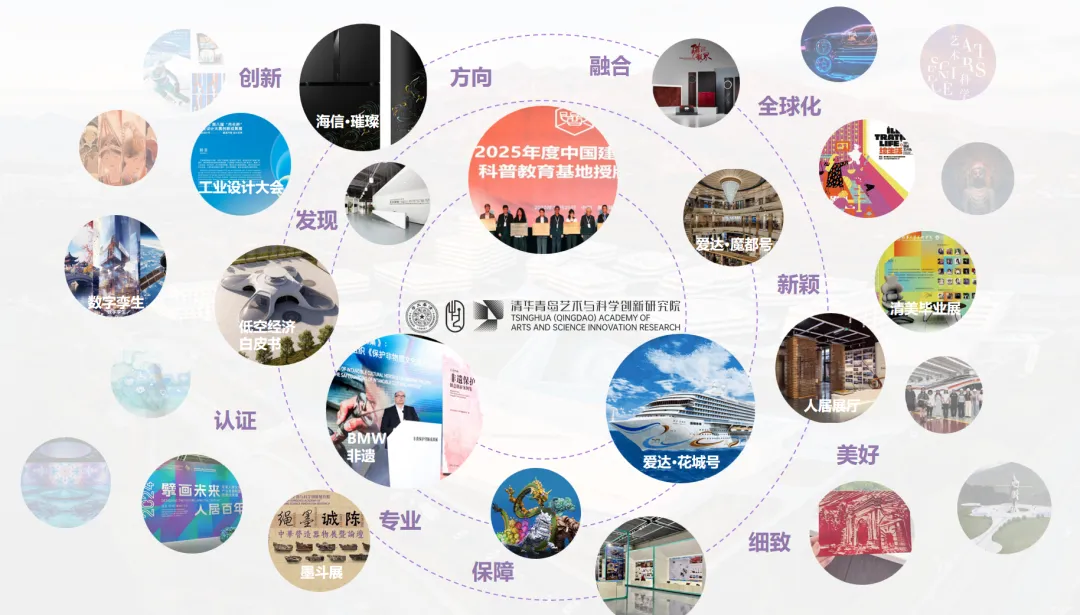
At this pivotal moment when China is advancing the 15th Five-Year Plan and deploying the "Intelligent +" initiative alongside new forms of business in the digital economy, Tsinghua (Qingdao) Academy of Arts and Science Innovation Research (TASA) serves as Tsinghua University's key strategic platform for art-science integration. Anchored in Qingdao with nationwide influence, it closely aligns with Shandong Province's high-quality development needs in housing and urban-rural construction. TASA focuses on digital construction and intelligent building technologies. Centering on R&D and application of core technologies—including digital urban governance, industry-wide digital transformation in construction, and architectural science education—it translates cutting-edge technological achievements into perceptible and interactive popular science experiences. This elevates public awareness of modern architectural technologies and injects scientifically advanced yet humanistic momentum into regional construction initiatives. TASA thereby robustly supports the construction sector's shift toward intelligent, green, and human-centered digital transformation and high-quality development.

The establishment and development of TASA have consistently aligned with major national strategic directions, including scenario cultivation, the digital economy, and coordinated regional development. Confronting the challenges and opportunities of urban-rural construction in the new era, TASA adheres to the integration of arts and sciences as its core approach, breaking traditional disciplinary boundaries, and systematically integrating the humanistic aesthetic thinking of art design with cutting-edge scientific technologies and engineering methodologies. Focusing on key areas such as intelligent construction, digital urban development and governance, TASA pioneers explorations in original theories and disruptive technologies, cultivates future-oriented construction technologies and comprehensive urban solutions, actively promotes the social transformation of research outcomes and enhances public awareness. These efforts contribute a Tsinghua-characterized integrated innovation paradigm to support the high-quality development of Shandong's construction industry and the implementation of national strategic scenarios.

Urban modernization is not only the modernization of technologies, but also the modernization of humanities and governance. In recent years, TASA and its innovation platform R&D institutions have fully engaged in establishing a new paradigm for deep integration between smart construction and new-style building industrialization, and been committed to providing indispensable intellectual support and innovative momentum for strengthening the Digital China Initiative and industrial transformation/upgrading through systematic research and industrial collaboration. WANG Dongsheng, Director of the Architecture and Art Studio at TASA, has been honored as Deputy Director of both the Intelligent Construction Professional Committee and the Digital Housing and Construction Professional Committee, signifying TASA's in-depth contributions and outstanding achievements at the forefront of intelligent construction and digital governance.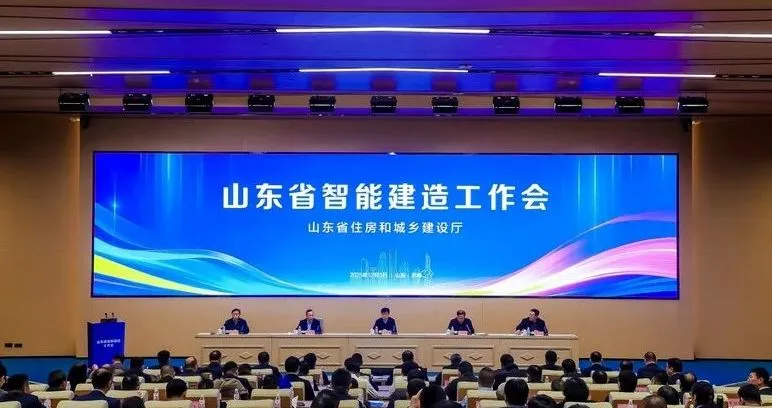
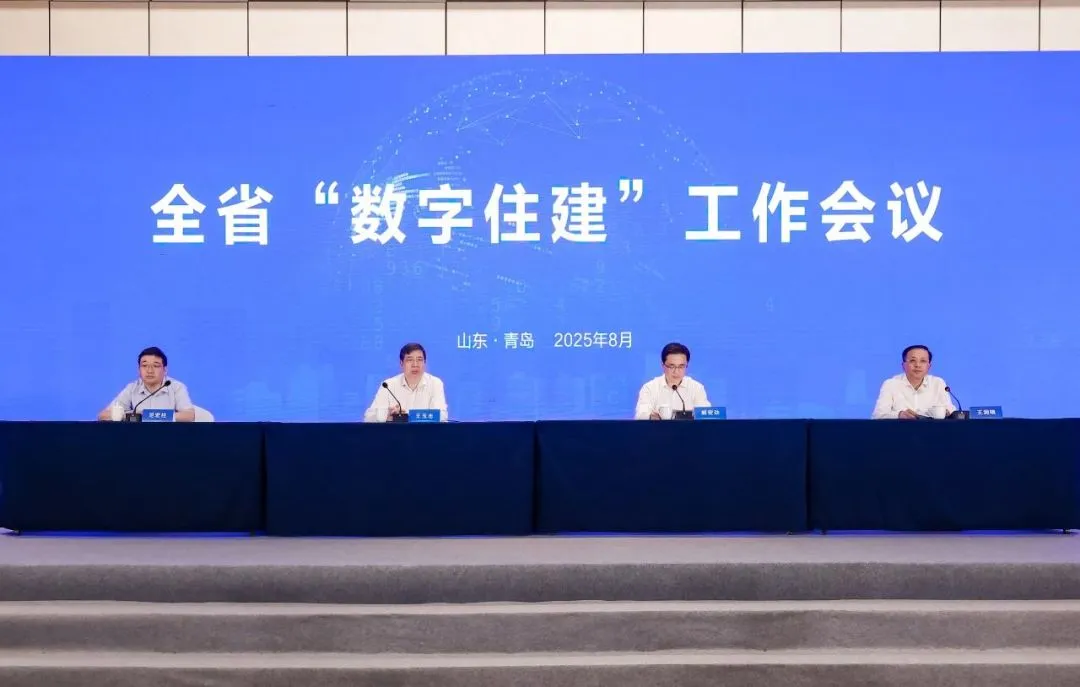
In the future, TASA will closely align with the nation's strategic deployment for developing the digital economy and advancing new industrialization, steadfastly pursue its core pathway of "driving forward through innovation and striving for strength through digitization," and propel high-quality development and profound transformation in the housing, urban, and rural construction sector through the integration of arts and sciences.

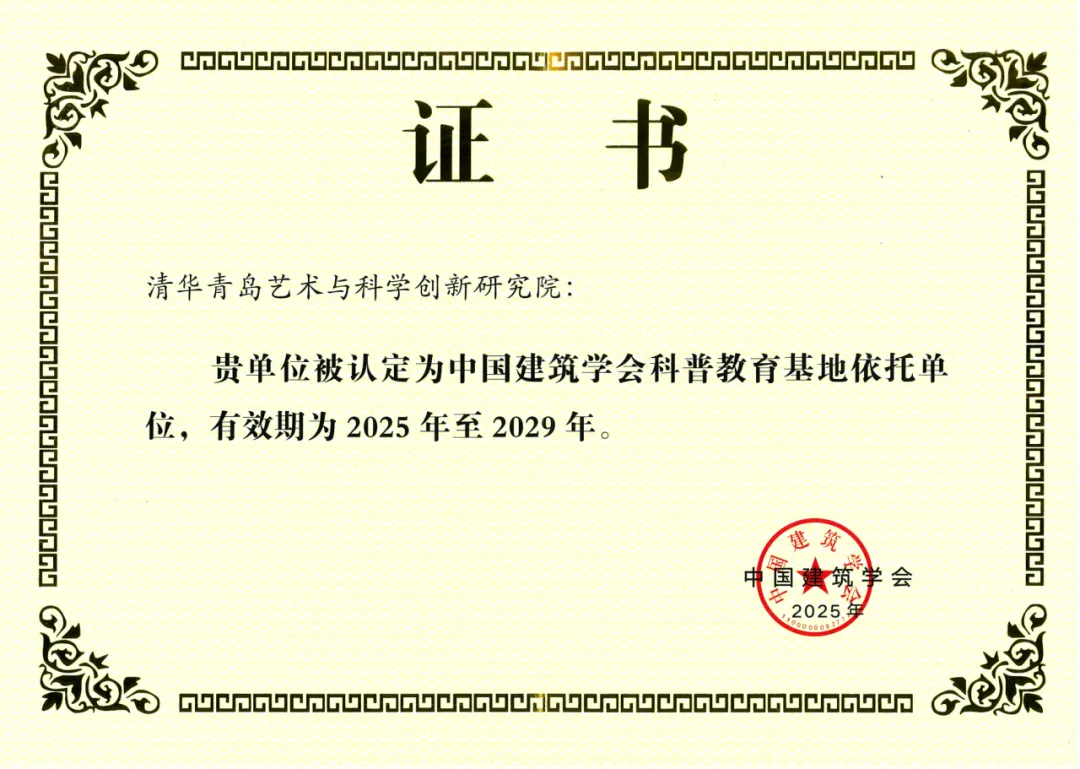
Architectural science communication not only imparts professional knowledge and promotes sustainable human habitat concepts, but also plays a fundamental role in shaping public aesthetics, inspiring innovative thinking, and serving high-quality urban development. Recently, TASA was awarded the title of "Science Education Base of the Architectural Society of China" at the Annual Conference on Science Education of the Architectural Society of China. This not only affirms TASA's long-standing efforts in solidly disseminating advanced construction concepts and promoting knowledge of sustainable human habitats, but also highlights its outstanding contributions in empowering local industrial transformation, advancing social aesthetic education, and enhancing technological literacy.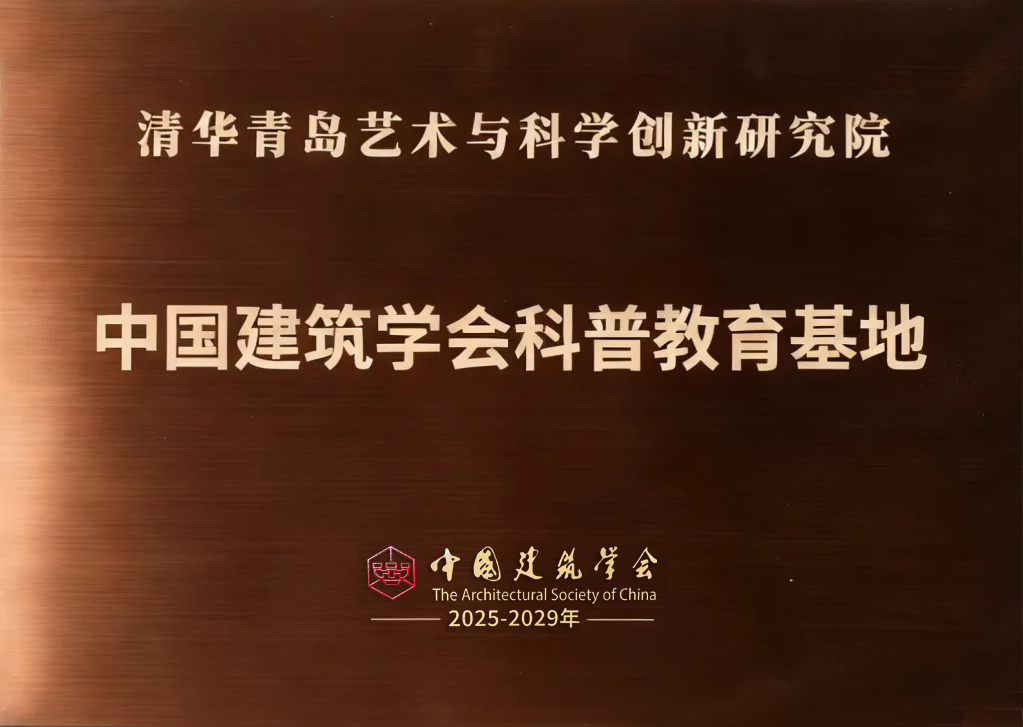
 Looking ahead, TASA will take architectural science popularization as a crucial link connecting technological innovation and social awareness. By creating a tangible, interactive, and extensible real-life science popularization platform, it will vividly showcase the future landscape of intelligent construction and digital architecture. These measures will enable science popularization practices to be deeply integrated into the processes of urban-rural development, industrial upgrading, and talent cultivation, thereby continuously injecting integrated humanistic innovation momentum into serving the national innovation-driven development strategy, enhancing the scientific and cultural literacy among the general public, and promoting high-quality development.

During the "15th Five-Year Plan" period, TASA will fully align with the era requirements for national industrial transformation and upgrading, and the building of a new development paradigm. It will conscientiously shoulder the historical mission of contributing key strengths through the integration of arts and sciences. Adhering to the close connection between cutting-edge explorations and national strategic needs, it will focus on strategic directions such as intelligent construction, digital cities, marine equipment, and the low-altitude economy. By strengthening original innovation and industrial leadership capabilities, it will systematically and profoundly embed interdisciplinary integration and innovation into regional development systems and modern industrial development processes. Additionally, it will fully serve the implementation of major national initiatives, forge core competitiveness, and strive to become a key innovation hub driving regional coordination and supporting national modernization, committed to writing a brand-new chapter in the great practice of the Chinese path to modernization.